

缘来缘去
苏尼(沙鲁克·汗 Shah Rukh Khan 饰)出生在一个典型的中产阶级家庭之中,他的父亲威亚克(Anjaan Srivastav 饰)在儿子的身上给予了很大的期望,然而,苏尼的志向却并不在读书挣钱,从小就喜欢音乐的他渴望成为一名歌手,并且真的加入了一支乐队之中,开始了他的逐梦之旅。 苏尼喜欢一个名叫安娜(苏奇拉·克里希那穆提 Suchitra Krishnamoorthi 饰)的女孩,遗憾的是,苏尼并不是安娜的菜,安娜早已经心有所属,爱上了苏尼的朋友克里斯(迪帕克·提卓瑞 Deepak Tijori 饰),可即便如此,苏尼也没有放弃过对安娜的追求,甚至为此闹出了不少的笑话。
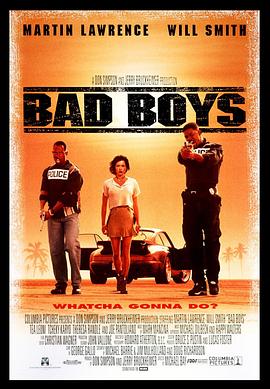
绝地战警
迈阿密警局的一对“黄金”搭档,顾家爱妻的好男人宾纳(马丁•劳伦斯)和衣着光鲜风流倜傥的富家子弟劳瑞(威尔•史密斯),奉命追查一桩价值上亿美元的毒品证物失窃案,如果不能及时完成任务,他俩就得卷铺盖走人。 在两人疲于奔命之际,该案件唯一的性感女证人打电话到警局声称她愿意指认主谋,但条件是劳瑞必须出面保护她,否则一切免谈,此时劳瑞刚好不在警局,宾纳为套取线索,急中生智冒名顶替。其后,为了不失去女证人的信任,两人只得将对调身份一事进行到底,宾纳在枪林弹雨及汽车追逐中贴身保护女证人,劳瑞则来到他家中陪伴其妻。

绝命急先锋
外籍佣兵山姆法兰西带领的游击队被韦尔击败成为俘掳,虽然两人是敌对的但是韦尔非常钦佩山姆法兰西,且希望法兰西能一起替政府工作,但政府却要法兰西从事颠覆工作,遭法兰西拒绝,从此法兰西及韦尔开始展开有趣及惊险的逃亡之旅……

绿皮书(原声版)
该电影由真实故事改编,一名黑人钢琴家,为前往种族歧视严重的南方巡演,找了一个粗暴的白人混混做司aaa。在一路开车南下的过程里,截然不同的两人矛盾不断,引发了不少争吵和笑料。但又在彼此最需要的时候,一起共渡难关。行程临近结束,两人也慢慢放下了偏见。

编写美好时光
1940年的英国战争不断,每天都有敌军的空袭轰炸,但比满目疮痍伦敦更残破的是人民绝望的心,面对未知的生命无常,电影成了唯一的心灵慰藉。资讯局电影部想要提升国家士气和民心,开始拍摄政治宣传电影,为了增加电影中的女性观点,原本从事广告文案的凯瑟琳(杰玛·阿特登 饰)被邀请加入编剧小组,和主编巴克利(山姆·克拉弗林 饰)一起编写歌颂英国人在敦刻尔克行动中英勇事迹的剧本。大男人的巴克利遇上温柔的凯瑟琳,挖苦彼此的对白、斗嘴不断,但随着两人一起经历疯狂赶戏和剧本,默契和爱苗都悄悄滋长。然而战事持续恶化,电影拍摄也面临困境,凯瑟琳还要面对自己已婚的事实⋯⋯

罗宾汉的真实故事
Robin和他搭档非善类 就只偷老 弱 妇女 偷其他人对他们来说风险太大 他们也有梦想 就是买下镇上最受欢迎的妓院 为了筹钱 他就联合别人抢了小镇的税收 却遇到了森林里的义贼他们是劫富济贫的 一起骗 最终识破Robin的骗局 让其做苦力补救 后来又帮忙释放国王夺回小镇 Robin des Bois est un sale type. Lui et son compère Tuck ont une éthique très claire dans la vie
ils ne volent que les pauvres, les femmes ou les vieux. Le reste
Trop risqué. Mais même les sales types ont des rêves, et le leur est de racheter la maison close la plus courue de la ville, le Pussycat. Robin, que rien n’arrête lorsqu’il s’agit de s’enrichir, décide alors d’aller chercher l’argent là où il se trouve et projette de dévaliser la caisse des impôts de Nottingham. Mais sa rencontre avec le gang de Sherwood, des justiciers qui eux volent les riches pour donner aux pauvres, va contrarier ses plans. Petit Jean, Marianne et leurs amis ont en effet eu exactement la même idée que lui
braquer le Shérif de Nottingham. La (vraie) légende de Robin des Bois peut enfin commencer ! (allocine)
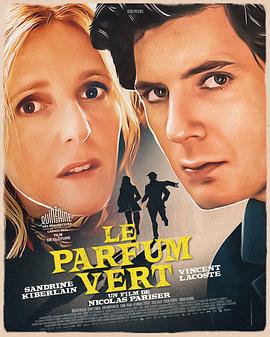
绿色香水
A famous french actor is poisoned and dies right in the middle of a play. Martin, an actor friend, is soon suspected by the police while being hunted by the mysterious organization which ordered the murder.

糊涂侦探
冷战结束后,天控局面临被解散的危险,但是这个美国最大的特务机关,依旧担负着重要的使命。不过,近期天控局总部却遭受了突发性袭击,导致特工们都有被身份曝光的危险。其中也包括强壮如牛、身手不凡的23号特工(道恩•强森DwayneJohnson饰)。总部经过研究发现,袭击事件是一个叫盖不达集团的,为了迎敌,总部对分析家麦克斯韦(史蒂夫•卡瑞尔SteveCarell饰)委以重任,后者终于等到了一展身手的机会。于是,他积极参与了对付盖不达的行动,不过之前的两次演习都被他搞砸了。唯一的收获是,他跟99号特工(安妮•海瑟薇AnneHathaway饰)结成了搭档,后者是唯一不怕身份曝光的特工。他们在飞机上遇到了一个疑似的恐怖分子,但是当他们出手时,却意外陷入了对方的圈套。此后,这对欢喜冤家又接连遇到一系列令人啼笑皆非的困境……
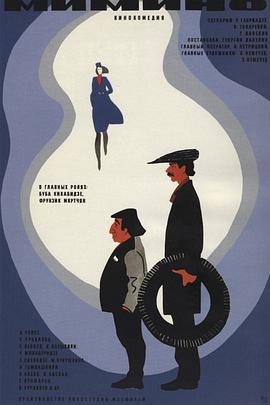
米米诺
直升机驾驶员瓦里科在格鲁吉亚山区工作,为交通不便的群众运送生活物资、放映电影。当地群众十分爱戴他,称他“米米诺”。有一次,他遇到从前的同学,如今人家已是大型客机上的机长了。瓦里科心中十分羡慕,很想到大飞机上去工作。于是他辞去了山区的职务,只身来到城里。在城里,瓦里科受到许多冷遇。他与一个莽撞司机哈切基扬萍水相逢,两人在城里又经历了一系列奇遇。城里的人情冷漠使瓦里科很不自在,他不时地回忆起山区群众……


纵情一曲
科林(安德烈·杜索里埃 André Dussollier 饰)和凯瑟琳(萨宾·阿泽玛 Sabine Azéma 饰)是一对戏剧爱好者,在两人排练新戏期间,他们收到了一个惊人的消息,那就是他们共同的好友乔治(安德烈·杜索里埃 André Dussollier 饰)患上了不治之症,时日无多了。 乔治生病的消息让凯瑟琳的内心感到非常的复杂,因为她曾经和乔治之间有过一段不能公之于众的隐秘恋情。除了凯瑟琳外,乔治的前女友塔玛拉(桑德利那·吉贝尔兰 Sandrine Kiberlain 饰)于他的前妻莫妮卡都不约而同的回到了乔治的身边,三个女人虽然现在都名花有主,但她们都想成为那个能够陪伴乔治走完人生最后道路的人。
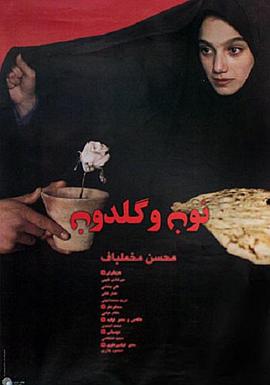
纯真时刻
导演:马克马巴夫(伊朗) 电影的神奇在于能够重建时间,尤如生命可以重来。 伊朗导演马克马巴夫年轻时是个激进分子,曾因袭击并刺伤一个警察而被捕入狱,出狱之后,终放弃了政治理想,而把电影当成了信仰,就在他拍《电影万岁》的时候,竟然发现当年他袭击的警察也在一群试镜者当中。后来,他就以他们二人的故事拍了这部《无知时刻》。 导演试图重建当年自己制造的袭击事件,并且邀请了另一位当事人--那位警察一起来完成这次重建:找来二位小演员,分别扮演年轻时的马克马巴夫和警察,马克马巴夫和警察分别去跟自己的扮演者讲述当年自己的行为始末,然后拍摄行刺过程。当然导演也就不只是马克马巴夫,还有那个警察。事实上,他也的确一直在重建过程中表达他的愿望和理想,开始是教他的扮演者给过来问他时间的女孩送盆花,后来又教他朝她开枪,而这二样,都是他当年没有做的。 还有一位人物,是马克马巴夫的表妹,马克马巴夫当年行刺的时候,以她去问那位警察时间做掩护,而警察却始终不知道这情况,把当年那个总是来问他几点的女孩当作心上人念念不忘,直到拍摄时他看到一个小女孩演员和马克马巴夫的扮演者一同走向自己的扮演者的时候才恍然大悟。 他感到被欺骗和伤害之后,自行篡改了历史:他告诉自己的扮演者,不论是谁靠近和他说话,你就向她开枪,包括那位女孩。他也企图在对过去的重建中表达他受伤害的愤怒,如果生命可以重来! 在重建的企图下,导演的却是一出巧妙的虚构,而正是这一虚构,把过去的故事转换成了现在时态,也使得导演对于过去的反思显得更有诚意。 纪录片样的拍摄手法,质朴而坦诚。电影开始的时候,马克马巴夫在试镜找二个17岁的演员扮演他自己和那位警察,扮演他的那位说他的理想是拯救人类;而警察的扮演者却一副老实巴交的样子,警察十分不满,拒绝出演,说导演如果改变主意就到哪里哪里去找他,愤然而去,摄影师问导演要不要把他追回来,而导演说,这个角色对他很重要,他会回来的。演员如同在生活般演戏,导演也如同生活般在拍电影:看,这是我的生活,也就是我的电影。 当警察在教他的扮演者应该怎么送上盆花的时候,马克马巴夫表妹的扮演者刚好路过,问他几点。跃然而出电影穿越时间的神奇,仿佛浑然天成的回文诗。 二位导演的企图最后都被几个小演员给颠覆了:激进分子递上的是大饼,警察掏出的是盆花,代替了匕首和手枪。
粉骚大联盟
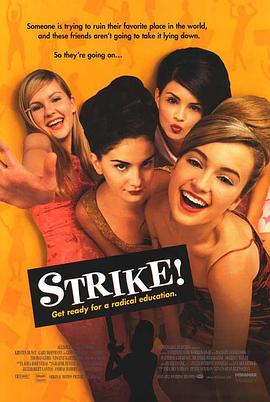
问题少女欧迪(盖比·霍夫曼 Gaby Hoffmann 饰)成为了高德女子中学的转校生,在学校里,她加入了名为“粉骚联盟”的社团之中,和好友们一起享受着无拘无束的校园生活。想当心理学家的沫沫(梅里特·维沃 Merritt Wever 饰)、想成为杂志主编的薇瑞娜(克尔斯滕·邓斯特 Kirsten Dunst 饰)、想成为耀眼明星的丁卡(莫尼卡·凯娜 Monica Keena 饰),在联盟里,每个女孩都坚强的守护着各自的梦想。 一次偶然中,欧迪得知校长决定将学校同隔壁的圣安伯男子高中合并,这也就意味着,高德必须敞开大门,迎接那些脑袋里整天都不知道在想些什么的臭男生们。女孩子们当然不会允许这样荒唐的事情发生。

红木大屠杀:歼灭
Twenty years ago at the infamous Redwood Farm, the owner went mad and killed his family and himself. Shrouded in urban legend ever since, a stranger obsessed with the unsolved Redwood murders convinces a group of bereaved family members to venture into the wilderness in the hope of proving the existence of the notorious burlap bag-masked maniac. Their quest for truth sees a sinister turn of events, as the hunters become the hunted and a blood-soaked fight for survival ensues when they find that the sinister tales told of the axe-wielding psycho farmer are very real indeed.
纽约的女人们
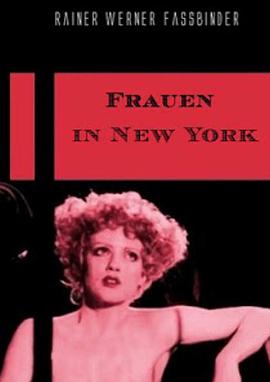
A film version of a play Fassbinder directed in Hamburg, Clare Booth Luce's The Women. It gave Fassbinder an opportunity to indulge his passion for working with women - there are forty women in the play and no men. The play dates from the 1930s, and Fassbinder was accused by the critics of being anti-women (a frequent criticism of late). As usual, he chose to work against the text, and from this has constructed an entertaining and engaging play about love between upper-class women with nothing better to do than sneer at others when things go wrong with their lives and loves.

约会之夜
税务律师菲尔·福斯特(史蒂夫·卡瑞尔SteveCarell饰)与房地产经纪人的妻子克莱尔·福斯特(蒂娜·费TinaFey饰)是居住在新泽西州的一对普通中年夫妇,育有两子,每日生活疲累而按部就班。受朋友分居的影响,菲尔心血来潮决定将每周末的晚餐约会改到城里,去曼哈顿新开张的一家海鲜餐厅就餐。没有预约的二人顶替了他人的位子,却没曾想吃到中途被两名陌生人挟持出餐厅,用枪威胁他们归还一个闪存。不明就里且吓得半死的福斯特夫妇想办法逃脱,找到克莱尔过去一位名叫霍尔布鲁克(马克·沃尔伯格MarkWahlberg饰)的客户帮忙,却依然无法摆脱追杀。二人甚至还得假扮皮条客与舞女闯入黑帮头子乔·莫雷托(雷·利奥塔RayLiotta饰)的脱衣舞厅周旋,洋相百出。

终极快递
《终极快递》是法国电影大师吕克·贝松自《的士速递》系列后有意打造的又一个系列飙车电影。山姆(迈克尔·扬MichaëlYoun饰)是一个信使。他每日飞车穿过巴黎,常常无视交通的基本规则。他必须出席婚礼以试图挽救与女友纳迪娅(杰拉尔丁·纳卡什GéraldineNakache饰)的关系,然而这天他没有选择地只能接受他的老板紧急差事,去送一个快件。为了完成任务他不得不扮演罪犯的帮凶,将价值连城的珠宝送至巴黎市中心的豪华酒店。当他一身快递装扮进入大厅时,前台经理有些嗤之以鼻,但在山姆报上名号后,经理态度则180度大转弯,令人忍俊不禁。山姆也没有想到自己能入住总统套房,而在房间里还有一位美女等着他.......

算死草
著名状师陈梦吉(周星驰 饰)与徒弟何欢(葛民辉 饰)认识了女子水莲花(邱淑贞 饰),师徒两人都对水莲花有意思,刚好水莲花也欣赏陈梦吉的才华。这时陈梦吉的老婆吕忍(莫文蔚 饰)从国外读书归来,遇到了尴尬的场面。当何欢知道了师父的计谋后与陈梦吉反目成仇,独自到香港发展。陈梦吉找到了去香港的机会,却得知了何欢因为谋杀被囚禁,梦吉决定为徒弟打官司。法庭上的陈梦吉态度嚣张,被收监两天,他要求在外国学习法律的妻子帮忙,妻子才告诉他自己学习的是时装设计……


站稳了
17岁女孩海莉(梅西·帕瑞格兰 Missy Peregrym 饰)的消极个性让家人十分的头痛,曾经是一名优秀体操运动员的她由于发现了母亲和教练之间的奸情而放弃了体操从此一蹶不振。海莉的叛逆逐步升级终于触碰到了法律的高压线,被控告破坏财物的她被迫进入了一间管理及其严厉的体操学院里改过自新。 学校里的生活并不好过,除了一帮充满了敌意的同学们,海莉还结识了体操教练伯特(杰夫·布里吉斯 Jeff Bridges 饰),在经历了种种误会和冲突后,伯特发现了海莉在体操方面的神奇天赋,他发誓决不能让这天赋白白流逝。在伯特的鼓励和鞭策下,海莉重新站在了赛场上,她要面对的不仅仅是强劲的对手,还有自己灰暗的过去。

等你追我
丽水市——秀山丽水,养生福地,是中外着名的浙江第一“绿谷”。 女大学生袁梦瑶(颜丹晨 饰)毕业后,在此与小伙伴们一起创业,并请技术专家刘方(顾易浩 饰)前来自己企业指导。这位型男的到来,引发梁艳的春心荡漾,谁知刘方却对袁梦瑶一见钟情,于是当然急坏了暗恋袁梦瑶已久的姚大熊(杨大鹏 饰),加上官员叔叔(邵峰 饰)和着名红娘各点鸳鸯谱……这可叫一个情乱意错如何是好? 在生态都市的蓝天白云下,笑料百出的养生福地,最终会成为荷尔蒙充沛的育情圣地吗?
穿越巴黎
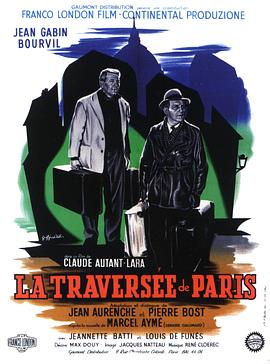
二战期间,纳粹开进了法国,巴黎成了被占领区,物资紧张,出现了黑市交易。 一天晚上,宵禁前,一对夫妇来到了小酒馆,之后又来了一位中年壮男;丈夫嫉妒妻子与中年壮男搭讪,于是打了妻子的耳光,妻子离去,所有的人都沉默。当中年壮男准备离开时,却被丈夫拦住了,丈夫请他吃晚饭。 晚饭时,所有的人都在怀念有猪肉的日子——对话很有趣,却也伤感。丈夫得知中年壮男是一名油漆匠的时候——法语的油漆匠与油画家是同一个单词,这也就是误会出现的原因,就向他交了底,说自己是走私猪肉的,需要找一位同伴帮忙,主要工作是在宵禁期间,从巴黎的一端用行李箱转移猪肉到另一端,为次日的黑市交易做准备。‘油漆匠’很感兴趣,两人达成共识。 两人来到Louis的店里搬猪肉,中年壮男突然发飙,要求Louis付“遮口费”,否则就叫警察,他采取的手段是系列的,且极其流氓(指意识形态)的。所有的人都被他打败了,Louis赶快掏钱送瘟神,两人继而开始了精彩的穿越巴黎之行。 第21届威尼斯国际电影节(1956) 沃尔皮杯-最佳男演员 布尔维尔 第21届威尼斯国际电影节(1956) 金狮奖(入围) 克劳特·乌当-拉哈 第11届英国电影和电视艺术学院奖(1958) 电影奖-最佳外国男演员(提名) 让·迦本



秃涂陌路
富二代秃子继承了老爸的工厂和“招财貂儿”后因玩世不恭导致工厂欠资巨款每天被无数个员工追债,涂父身边的“老会计”要帮助秃子还债,秃子前妻也不忍心工厂就这么被糟蹋,便用离婚时的200万给秃子救急,谁知秃子继续花天酒地,在宿醉后醒来发现巨款不翼而飞!一场啼笑皆非的闹剧就此开场......


秘密情人
A young woman takes advice from the notes that are left by a mysterious Handyman when a sales rep arrives with plans to buy her family's winery.
神童1965
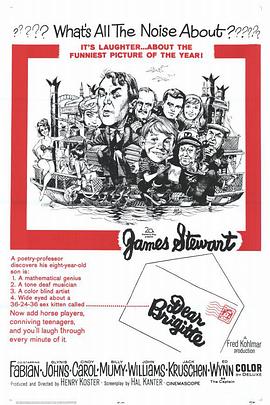
Dear Brigitte is one of the funniest comedies from the 1960s, about a tone-deaf, color-blind boy genius with one interest Brigitte Bardot. James Stewart plays professor Robert Leaf, a typical college professor (when speaking of college professors typical means liberal, but this was 40 years ago and labels change). Leaf teaches poetry, lives in a houseboat in San Francisco, vocally opposes nuclear power and progress in general. He has an original way to make the family stick together - family concerts. His daughter calls him square. Leaf's 8-year old son Erasmus is played by Billy Mumy (Sammy the Way Out Seal, Lost In Space, Bless The Beasts
Children, Three Wishes). Leaf hopes to find artistic genius of some sort in his only son, and nurtures him in music, painting, literature, etc. But Leaf is disappointed, to put it mildly, when it turns out Erasmus has a gift for math, can out-think the colleges newest computer, instantly compute horse-race winners. I don't want to give away too much of the plot, but Erasmus had been writing to Bardot regularly, and after the family comes to depend on his ability, his love-sickness causes a mental block. Glynis Johns (Father's Delicate Condition, The Cabinet of Caligari, Mary Poppins) plays Leaf's wife. Ed Wynn (Requiem For A Heavyweight, Mary Poppins) is a neighbor
captain
narrator. Other cast include Fabian, Cindy Carol, John Williams, Jesse White, Jack Kruschen, and James Brolin in an early bit part. Brigitte Bardot appears at the end.