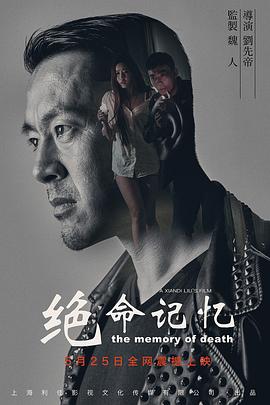
绝命记忆
在一个密闭的空间内,五个身份各异的人陆续从昏迷中醒来,但却发现自己失去了记忆,完全不记得自己是谁。他们发现别墅的门窗都被反锁,于是五人决定齐心合力逃出密室,在合作途中,随着时间的流逝,五个人逐渐恢复了一些模糊的记忆,发现彼此之间有一些联系,五个人开始猜疑对方的身份,而最终寻找到的一个致命的线索,导致了他们互相残杀,于是一场你死我活的寻找记忆真相的游戏,在密闭空间中展开,最后谁会是赢家,又有谁能顺利逃脱?

诈欺猎人
为了给家族复仇而追踪欺诈师御木本的黑崎(山下智久饰),接到了桂木(山崎努饰)的委托,消灭新的敌人,欺诈师石垣(竹中直人饰),通过赠送礼物来骗取他人的欺诈师。一直追踪黑崎的刑警神志名(哀川翔饰)与以大企业为目标的欺诈师白石(加藤浩次饰)也卷入了这场智力游戏之中。在调查过程中,黑崎发现石垣在与某个人物进行共谋。动摇日本经济的犯罪,巨大的诈骗事件在黑暗中酝酿。 不顾吉川冰柱(堀北真希饰)的担心,黑崎向着真相前进。赌上性命的决斗,即将上演。
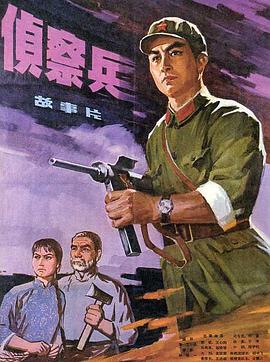
侦察兵
解放战争时期,我军侦察参谋郭锐(王心刚 饰),奉命带领一支小分队深入丰城进行侦察,路遇还乡团长(于绍康 饰)带领团丁押解我妇女主任(杨雅琴 饰)和村干部(周冠森 饰),小分队将他们营救。之后,他们在小村安扎下来,分几路化装进城侦察。与此同时,敌人已知晓我侦察兵进城,派搜索队长王德标(安震江 饰)全城布控,郭锐得知王的姐夫是敌炮团团长黄宇轩(邵冲飞 饰),便假扮敌作战处长,并以黄老同学的身份到其家里,智取到敌人火力配备图,在第一时间上报给指挥部。当敌人发觉上当后,展开全城大搜捕,无奈为时已晚,我侦察兵早装扮成敌执法队,驾驶着缴获的中吉普,扬长而去......

掘地三尺
电影《掘地三尺》讲述了江东民(张磊饰演)因为在结婚当天发现自己的妻子与伴郎发生苟且之事而心灵扭曲,报复每一个刚结婚或要结婚新娘的故事。 主角正宇(马敬涵饰演)是一名即将结婚的警察,与自己的妻子彩元(陆莹饰演)同为孤儿,相互扶持成长,是彼此之间最亲的人,就在二人结婚当天,彩云突然在中途神秘消失,歇斯底里的正宇开始了寻妻之路,随着一步步的深入,正宇锁定犯罪嫌疑人江东民,并在江东民的花棚下面挖出不少婚纱与尸骨,爱妻是否遭到杀害,一切都是未知。 恍惚的正宇与疯狂的江东民开始了正面对抗,最后是谁胜出?彩元是否被救?

里拉的祈祷
曾有过一次失败婚姻的35岁女子大森桃子(铃木杏树 饰),现如今正在青森县八户市某眼镜店担任店长。某天,她被仰慕自己的后辈宫内樱(武田梨奈 饰)硬拉着参加联谊会,失败的婚姻经历让她兴致寡然,不过却在联谊会上遇见了一位40多岁的大叔。对方名叫佐久间五朗(宇梶刚士 饰),胡子拉碴的外表让桃子为之一惊,遥远的记忆顿时复苏。佐久间是一位考古学家,而桃子似乎在梦中曾经穿越上古时期的原始森林。她向佐久间讲述着这个童年时代开始便困扰她的梦境,佐久间则带着她观赏绳文时代的遗迹文物。久远的记忆,仿佛穿越时空连接在一起…… 本片根据森泽明夫的同名小说改编,在日本国内33块银幕上同时公映,首周初登场观众满意度排名第六位。

邻家女优
马修(埃米尔·赫斯基 饰)是一个迷恋政治的高中生,直到隔壁搬来了一个辣妹女生丹尼尔(伊丽莎·库斯伯特 饰),他的注意力才从政治转移到这个漂亮女孩身上。他打电话给朋友,告知他这个艳遇。这时候他竟透过窗户看到丹尼尔正在宽衣解带,身材火辣,让他血脉喷张。他彻底迷上了这个美女。两人也很快打得火热。 丹尼尔的前男友不合时宜的出现了,并且马修的死党告诉他一个令他震惊的秘密——丹尼尔是一个AV女优!马修无法接受这个事实,他犹豫该不该在乎丹尼尔的过去。但是,他慢慢意识到,爱一个人,就...

法官你好
从位于神舟飞船的“家”内蒙古自治区四子王旗,到李白笔下山高路险的诗意人间湖南省常德市石门县壶瓶山,从雪域高原四川省甘孜藏族自治州炉霍县,到面朝大海的惬意小岛广西壮族自治区北海市涠洲岛,基层法官的身影遍布祖国各地,他们用行动维护群众的切身利益,捍卫着司法的公平与正义。由最高人民法院立案庭指导,芒果TV出品,人民法院出版有限公司、北京法信文化传播有限公司联合出品的法治节目《法官你好》,2月9日起每周四19:30湖南卫视、芒果TV双平台同步播出。 节目将学习贯彻党的二十大精神与普法工作深度融合,结合中国特色地形地貌,以多个视角展现基层法官庄严神圣背后的艰辛,真实深入地体现有温度、有力量、有是非的新时代司法队伍正义担当的形象,引导观众增强法治观念,助力法治中国建设。 基层法官常常需要结合当地实际情况实践司法为民宗旨。节目将目光投注于基层人民法庭的法官团队,选取位于草原、山区、高原、海岛的不同法庭作为代表,着力展现各地基层法官在艰苦条件下的坚守和对打通服务群众“最后一公里”的不懈追求。他们将法治的光带到交通不便、没有网络的地方,让不懂法律的群众学法、懂法、守法;她们爬峻岭,过山涧,背起国徽走进村寨,为妇女和儿童提供法律帮助,同时也为她们的生活送上温暖;他们把青春投入到基层法治建设新征程中,一步一个脚印付诸行动,切实履行职责,为建设社会主义法治国家,增进民生福祉作出自己的贡献。 《法官你好》内容体现人民法院司法为民的根本宗旨,聚焦人民法院一站式多元解纷和诉讼服务体系建设,应用在线诉讼服务平台,开展巡回审判等工作取得的新成就,展现基层法官坚持和发展新时代“枫桥经验”,努力将矛盾化解在基层、化解在萌芽的具体实践,让观众在对案件内容进行讨论的同时,进一步思考基层司法工作的意义。 《法官你好》采用纪实和真人秀相结合的拍摄方式,邀请靳梦佳、佟梦实、高瀚宇、谢彬彬、魏巡作为体验官,观察体验基层法官的日常工作。观众跟随嘉宾的视角深入领略当地民风民俗的同时,亦能感受基层法官们的辛勤付出,感受到案件中透出的人生百态,进而加深学法知法懂法的内驱力。 节目从多种维度开展普法,对于涉及的法律术语、条款等,以“小贴士”的方式呈现在屏幕上,以便观众及时了解法律概念、理解案情。法律知识与真实具体的案件同时出现,配合法官的权威解读,让观众能够更好地从节目中了解法律知识。 人民法院作为法治建设的重要力量,是传播法治理念、弘扬法治精神的重要阵地。《法官你好》展现了基层法官为推动普法的不懈努力,更突出了以法律为准绳去衡量、规范、引导社会生活的必要性、重要性。

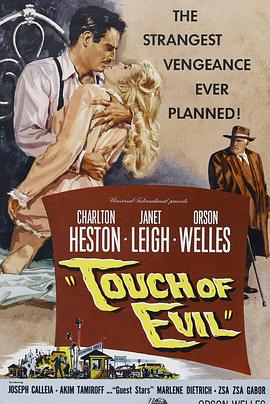
历劫佳人
缉毒官员Newlyweds Miguel Mike Vargas(查尔登·海斯顿 Charlton Heston 饰)和他的妻子Susie(珍妮特·利 Janet Leigh 饰)来到了美国和墨西哥的边界。马路上发生了一起汽车爆炸事件,Vargas认为这起案件跟毒贩子有关,遂和当地的警察们一起展开了调查。Hank Quinlan(奥逊·威尔斯 Orson Welles 饰)是警察队长,在当地名声甚响。当地警方把嫌疑集中在一个叫Sanchez的人身上,Vargas却在Sanchez的家中发现了证明他不是犯人的证据。然而Quinlan执意认为Sanchez就是犯人。Vargas研究了以前Quinlan办过的案件,对这个赫赫有名的警察队长产生了不少疑问。而Vargas的妻子Susie在旅馆里却被一帮人所绑架并陷害,Vargas怀疑这一切的背后都是Quinlan在操纵。Vargas在和Quinlan的对抗中会有怎样的结局? 本片由执导了《公民凯恩》的奥逊·威尔斯自编自导自演,共有三个版本:1958年发行的版本,1976年的加长版,1998年发现的可能更符合威尔斯想法的版本。

林肯律师
故事讲述洛杉矶刑事辩护律师米奇·豪勒(马修·麦康纳 Matthew McConaughey 饰),绰号“林肯律师”,经手的都是些处于社会底层的客户。他善恶分明、正直守信,并非贪财小人。然而这一次,豪勒的辩护对像是年轻富有的房地产开发商路易斯-罗莱特(瑞恩·菲利普 Rya n Phillippe 饰)。罗莱特受到的指控是殴打并企图强奸应招女郎瑞琪(玛格丽塔-莱维瓦 Margarita Levieva 饰),但罗莱特声称自己是无辜的,有人栽赃陷害他。罗莱特的母亲愿意不惜重金证明自己心爱儿子的清白。为了解案情的细节,豪勒及其私人调查员对此案进行了调查。他们最初获得的证据证明罗莱特似乎确实无辜,这个案子能够轻而易举地打赢,豪勒也能够轻松地获得一笔高额的律师费。然而,一个偶然的机会使豪勒发现,此案与他曾经接手的另一桩强奸杀人案有诸多相似之处……

不可言宣
莎拉(索菲爱·察尔洛特 Sophie Charlotte 饰)和玛丽(Felicia Ruf 饰)是一对认识了很多年的好友,彼此之间的友谊和信赖非常的深厚。然而,随着时间的推移,莎拉发现自己对于玛丽的感情渐渐变了质,从单纯的友谊逐渐转变成为了复杂的爱意。 在一次度假中,莎拉终于无法压抑自己内心里汹涌的感情,向玛丽表露了心迹,面对莎拉的示爱,玛丽感到非常的矛盾,一方面,她对于莎拉并没有什么其他的心思,与此同时,她已经有了一位正在稳定交往之中的男友本。玛丽知道,如果自己拒绝了莎拉,那么后者一定会就此消失在自己的世界里,这是玛丽并不愿意见到的。
烈焰焚币
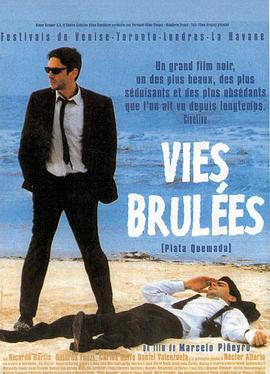
内勒(莱昂纳多·斯巴拉格利亚 Leonardo Sbaraglia 饰)和安吉尔(爱德华多·诺列加 Eduardo Noriega 饰)是一对被称为“双胞胎”的暴力匪徒,形影不离的他们实际上是同性恋人的关系。两人相识于一个同性恋出没的公共厕所,内勒把无家可归的安吉尔带回家,自此二人同居,一起生活,一起作案。安吉尔患有严重的幻听,时时听到聒噪的声音,受这些声音的支配,安吉尔开始拒绝内勒的触碰。隔阂渐渐在二人之间产生,内勒知道,只要他们再合作干一桩大案,就能重新找回“双胞胎”的感觉。他们参与了一桩由一名政府官员策划的抢劫案,两人以及同伙一起打劫了银行的运钞车。抢劫过程并不顺利,安吉尔中枪,内勒把警察都杀死了,他们犯下了惊天大案。为了逃避追捕,他们带着抢来的钱,展开了逃亡之旅。 本片改编自1965年发生在阿根廷的真实犯罪事件。

觉醒2020
山田篤宏执导并担任编剧、吉沢亮主演的[觉醒](AWAKE,暂译)发布剧照,影片讲述吉沢亮扮演的棋手荣一,在被天才棋手重创后退出职业圈,心灰意冷的荣一与几个朋友组成研究会,利用电脑AI与昔日的对手进行复赛对战,后为了激励与自己当年境遇相似的棋手,荣一选择重回台前。导演山田篤宏表示:吉沢亮为了扮演这个角色,自我增肥、驼背、连走路姿势都进行了设计,以至他在片场对吉沢亮说:“看到现在的你,我都忘记了之前你有多酷。”本片将于2020年12月25日登陆日本院线。

流浪巴黎
故事发生在位于加拿大的一个小村庄中,菲奥娜(菲欧娜·戈登 Fiona Gordon 饰)是个一辈子都生活在这里的姑娘,同时也是镇上图书馆的管理员。一天,菲奥娜意外的收到了玛莎阿姨(埃玛妞·丽娃 Emmanuelle Riva 饰)的来信,这位九十多岁的年迈亲戚向菲奥娜发起了求助,如果菲奥娜不能够前往巴黎照顾她,那么无依无靠的她将会被送进老人之家。 无奈之下,菲奥娜只得踏上了前往巴黎的旅途。在一场意外中,菲奥娜不慎落水,失去了所有的财务包括她的身份证明,更糟的是,当她抵达目的地时,却发现玛莎阿姨失踪了。在这座繁华但冰冷的大城市里无处可去的菲奥娜遇见了境遇和她差不多的流浪汉多姆(多米尼克·阿贝尔 Dominique Abel 饰)。

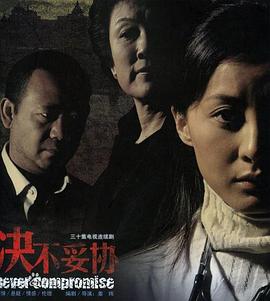
决一死战
一部令你目不暇给的另类古惑仔电影,一套笑到你死打到飞起的狂笑式剧。电影台编剧王玉成因一个得奖的戏本而声名大噪,使到很多人找他编剧;但因为用脑过度,把幻想和现实混淆了起来,令自己代入了戏中人物,做出一些自己也无法想象的事情。他找心理医生绮梦帮忙,使他可得到解放。王玉成编写了一个描写古惑仔的剧本,但引来黑社会大哥头炸弹不满,并且更追杀他,王玉成报警求助,派了李Sir来保护,最后结局出人意表,惊喜搞笑。
猎头游戏
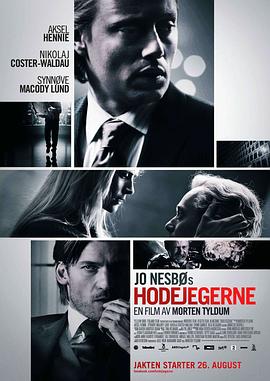
表面上,罗杰(阿卡塞尔·亨涅 Aksel Hennie 饰)是一名成功的猎头,但他还有着另一个职业——艺术品大盗。罗杰和娇妻戴安娜(西诺薇·玛考迪·伦德 Synnøve Macody Lund 饰)住在一幢价值不菲的别墅中,戴安娜的画廊为罗杰的第二职业提供了得天独厚的信息网。一天,罗杰通过戴安娜认识了一名叫做柯勒斯(尼可拉·科斯特-瓦尔道 Nikolaj Coster-Waldau 饰)的男子,他得知柯勒斯的家中藏有一张鲁本斯的画作,价值连城,正面临经济危机的罗杰动心了。画作轻松的得手了,可也就在同时,罗杰撞破了柯勒斯和妻子的私情大受打击,这还不是最糟糕的,本以为在现场没有留下丝毫线索的罗杰发现,危险正在渐渐逼近他和他的搭档,有一个人,正处心积虑的想要置他们于死地,一场惊天大逃亡展开了。而究竟是谁泄露了秘密?一时间,包括妻子在内,身边的每一个人都显得可疑起来。
翻译风波
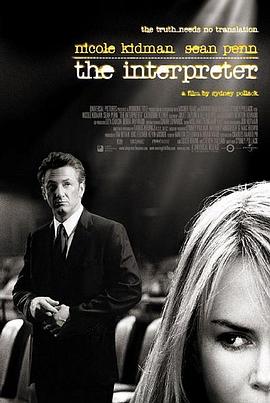
希尔维亚(妮可·基德曼 Nicole Kidman饰)是非洲籍的联合国翻译员。无意间她听到一桩政治阴谋,联合国大会上他们策划谋杀一名非洲元首。他们用非洲土话来交谈,不料被掌握这门语言的希尔维亚窃听机密。 希尔维亚因此成为别人急于除掉的眼中钉。FBI派探员托宾(西恩·潘 Sean Penn饰)做希尔维亚的临时保镖。性格迥异的两人在相处中渐渐了解对方的身世和背景,这时托宾怀疑希尔维亚可能藏着一段不为人知的秘密,希尔维亚和这个卷入谋杀计划的非洲元首之间,似乎有着深仇大恨。这令到托宾心生疑窦:希尔维亚到底是事件的受害者,还是阴谋的参与者? 托宾既心存怀疑,又要坚定地履行职责,保护希尔维亚。二人在猜忌中互相吸引着。在越来越危险的境地下,他们必须尽快查出真相。
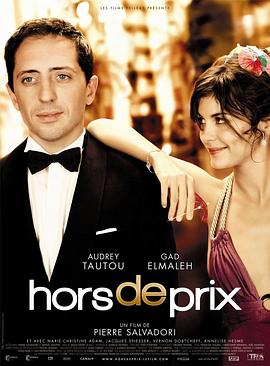
真爱无价
艾琳(奥黛丽·塔图 Audrey Tautou 饰)的梦想是结交很多的富家子弟,让他们成为裙下之臣。五星级酒店就是她的活动场所。这天她来到高级饭店,投入有钱佬雅克的怀抱,却误打误撞认识了酒店服务生让(加德·艾尔马莱 Gad Elmaleh 饰)。艾琳以为让是一个富家子弟,纵情诱惑,二人一夜浪漫后,艾琳才发现让根本不是有钱人,于是愤然离去。 然而让已经深深迷恋上了艾琳,他明白自己没有艾琳要求的身家条件。于是,他重新找了一份工作,并无意中成为了富贵寡妇的玩伴。这时,让重遇了艾琳,艾琳对改变后的让有了改观,二人渐渐成为密友,感情也渐渐升温……
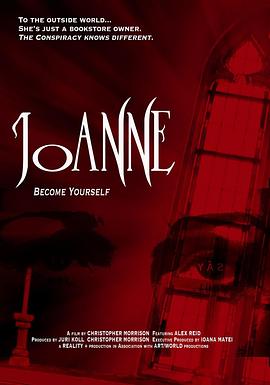
领头羊
To the outside world Joanne is just a book-store owner, but the Conspiracy knows different. She's dangerous. She's a bellwether a quiet leader who is well on her way to being her whole self. When they kidnap her to break her to make her conform, they discover that Joanne is something so much more than even she ever knew. Joanne is a feminist, one-room, one-character elevated genre thriller. It is a modern rite of passage story which most women have to go through to become a whole human being How does one be oneself in the face of massive misogyny and hatred (both overt and institutionalized). It is also the world's first one-person film (a movie with only one on-screen character) that features a woman.
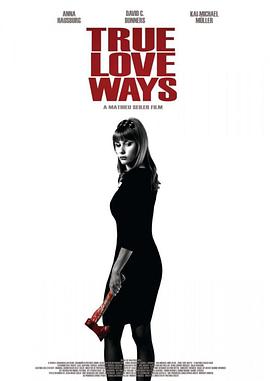
真爱之路
在一次梦境重现之后,塞维琳决定离开她的男朋友汤姆几天。汤姆与一个在酒吧里遇到的男人达成协议:塞维琳将会被绑架,而汤姆则将把她从绑匪的魔爪中解救出来,从而成为她的救星。然而汤姆不知道,他的这位新朋友对塞维琳有另一个不同的计划。面对暴力的罪行和她自己原始的恐惧,塞维琳被卷入了一个永无尽头的残暴游戏,踏上了寻找真爱之路。(豆瓣电影字幕翻译2.0小组)
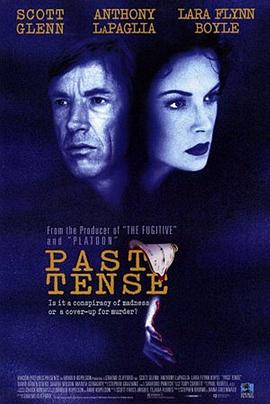
芳邻疑案
Here's a modern-day film noir in which you're never sure what's real and what isn't real. There is a possibility you may get tired of guessing and give up on this film 34ths of the way through, as I almost did but it worth finishing. It also was better the second time around The problem is just too many flashbacks. If some of those scenes were not replayed so often, or a few of the many twists eliminated, it would have been a super movie. It still was fascinating in parts. It grabs you, and you can't stop watching to see what the real story is. Along the way, is a bunch of nice colors and some nice film noir-type in the beginning and then during the ending credits.
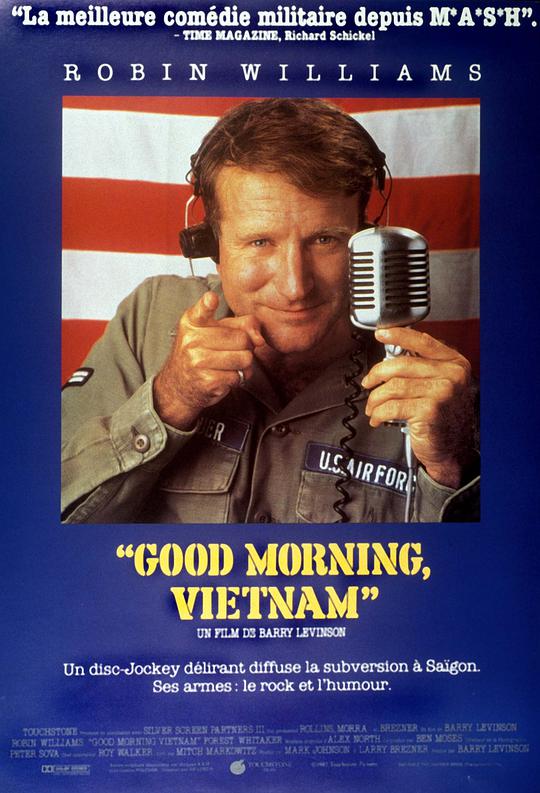
早安越南
1965年西贡越战,死气沉沉的军方广播电台由于新DJ艾德里安·克绕劳尔(罗宾·威廉姆斯RobinWilliams饰)的到来,而突然变得生气勃勃。艾德里安每天以妙语如珠的风格主持早晨广播节目,幽默风趣。他的节目得到了士兵们的热烈欢迎。后来他还深入到了越南的民间生活,渐渐喜欢上了这个国家。然而他在节目中发表的跟军方宣传相抵触的言论,却使艾德里安遭到黯然下台的命运。由知名奥斯卡获奖导演巴里·莱文森执导的影片《早安越南》,根据一位电台主持人当年在越南的亲身经历撰写而成。影片以黑色幽默的轻喜剧形式,来反映越战这场残酷的战争。影片更以多首六十年代经典的流行歌曲,唤起了观众深深的共鸣与怀旧情绪。罗宾·威廉斯凭借本片一举获得1988年第60届奥斯卡金像奖最佳男主角提名及1988年第45届金球奖电影类-音乐喜剧类最佳男主角等多项大奖。

老师你好
作为汉城某所小学的教师,金峰窦(车胜元)日子过得颇为潇洒:他喜欢喝酒,喜欢让学生望眼欲穿等他来上课,喜欢怂恿学生家长送他点小恩小惠,不然会给他们的孩子好看……唯独不喜欢认真教学。校长屡次训斥,他恶习不改,被调到江原道一所偏远的乡村小学。 该小学只有五名穷学生,从他们家长身上,除了水果和蔬菜,金峰窦捞不到任何的油水,但他还是动了歪念想,并设法尽快回到汉城。在与五个善良淳朴的孩子、他们的家长以及学校管理员等人相处的过程中,金峰窦回想起他走过的路,内心渐渐受到触动。
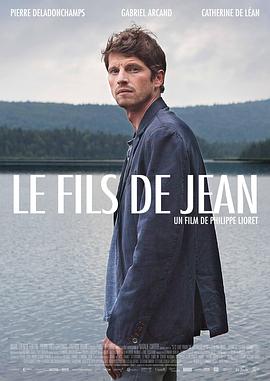
约翰之子
马蒂厄已经35岁,却从未见过自己的父亲。母亲解释缘由时只推托说他是一夜情的结果。一天,他接到一个陌生来电,这个电话告诉他,他的亲生父亲刚刚过世。于是马蒂厄暂别妻子和孩子,决定飞去加拿大参加葬礼,并见见他那两个素未谋面的兄弟。在蒙特利尔,除了父亲的好友皮埃尔,没人知道他的存在与真实身份。但与此同时,马蒂厄也意识到他似乎进入了一个充满敌意的地方。
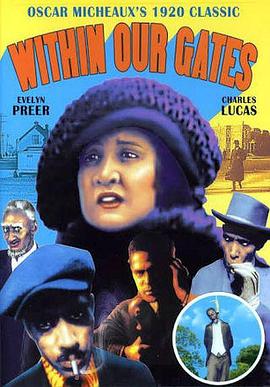
藩篱之内
Abandoned by her fiancé, an educated negro woman with a shocking past dedicates herself to helping a near bankrupt school for impoverished negro youths. Within Our Gates was created in response to The Birth of a Nation which depicted southern whites in need of the Ku Klux Klan to protect them from blood thirsty blacks. Micheaux shows the reality of Dixie racism in 1920, where a black man could be lynched for being in the wrong place at the wrong time.

恶之华2019
改编自押见修造的同名漫画原著《恶之华》。导演是曾执导《接招吧!那边的女孩》等漫改作品的井口升,编剧则是曾编写《我们仍未知道那天所看见的花的名字》等许多人气动画剧本的冈田磨里。 迷恋法国著名诗人波德莱尔的代表作《恶之花》的中学生主人公春日高男,被同班同学仲村佐和目睹了偷班花佐伯奈奈子体操服的场景,于是被她的各种离谱要求捉弄的故事。

造物的奇迹
Wunder der Schöpfung is an extraordinary, fascinating Kulturfilm trying to explain the whole human knowledge of the 1920s about the world and the universe. 15 special effects experts and 9 cameramen were involved in the production of this film which combines documentary scenes, historical documents, fiction elements, animation scenes and educational impact. It its beautifully colored, using tinting and toning in a very elaborated way. Some visual ideas in the sequences with a space shuttle visiting different planets in the universe seem to have to be the inspiration for Stanley Kubrick's 2001 A Space Odyssey. In the context of Germany's Kulturfilm phenomenon, Wunder der Schöpfung was among the greatest achievements of the 1920s. The production was constructed, rehearsed, and shot over a period of two and a half years, under the supervision of Hanns Walter Kornblum. The idea to describe the universe and man's place in it well suited UFA's Grossfilm mentality, one year before the Metropolis catastrophe. Hundreds of skilled craftsmen participated in the project, building props and constructing scale models drawn by 15 special effects draughtsmen, while 9 cameramen in separate units worked on the historical, documentary, fiction, animation, and science-fiction sequences. Without star roles or even protagonists, the film's plot is crowded with meticulously structured and skillfully acted single scenes an artful mosaic of small vignettes. No less than four credited university professors ensured the factual background behind the scientific and historical events portrayed. The film's symbol of progress and the new scientific era is a spacecraft, travelling through the Milky Way, making all the planets and their inspiring worlds familiar to us, with the extravaganza of their distinctive features. The film's educational intentions, however, become steadily more obscure, humorous, or even campy as this popularization project proceeds. With the excuse of presenting the end of the world a not-so-new concept as a new, undeniably scientific truth, the film veers happily along a new path, displaying detailed apocalyptic scenes of the end of mankind. For today's audiences, this amazing film demonstrates how the universe was comprehended in the 1920s, and how that view was sold to contemporary audiences.