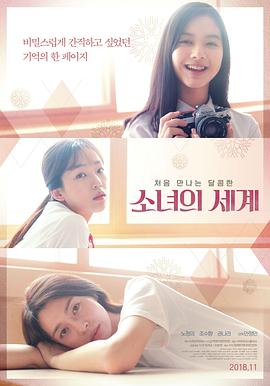
《女孩的世界》是一部青年浪漫电影,导演Ahn Jung Min于去年凭借The Dream of One Summer Night剧本获得了第5届KT International Smartphone Award剧本奖。这次的电影讲述了三名女高中生在准备戏剧《罗密欧与茱丽叶》的过程中命运一般的相聚与吸引。
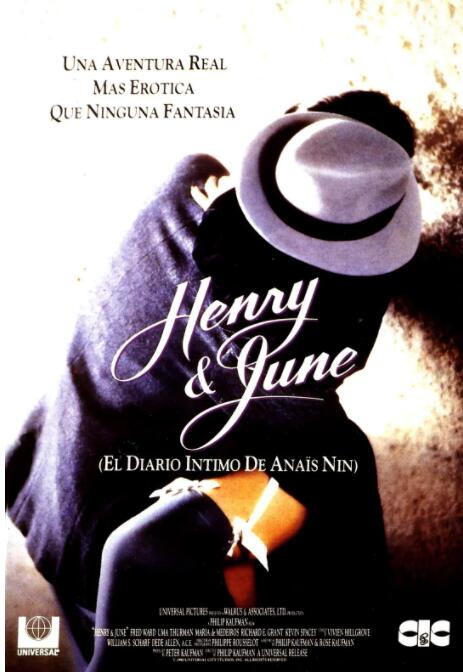
阿娜伊丝•宁(Maria de Medeiros玛丽亚•德•梅黛洛 饰),银行家雨果(Richard E. Grant 饰)的妻子,一个外表雍容却沉迷于D. H. 劳伦斯文字的野性女子。在丈夫的介绍下,阿娜伊丝结识了外表颓废粗糙的小说家亨利•米勒(Fred Ward弗雷德•沃德 饰),她迷上了眼前这个睿智的男子,继而又为亨利的妻子琼(Uma Thurman 乌玛•瑟曼 饰)所吸引。
在琼的嘱托下,阿娜伊丝开始照料亨利的生活,为他的小说《北回归线》四处奔走,并由此衍生出一段段狂野激情的欢愉……
本片获1991年奥斯卡最佳剧本提名。
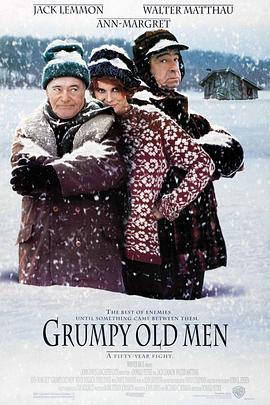
古德森(杰克·莱蒙 Jack Lemmon 饰)和麦克斯(沃尔特·马修 Walter Matthau 饰)是从小玩到大的好友,虽然两人都已经步入了古稀之年,但他们之间的情谊却没有丝毫的改变。某日,一位名叫爱丽儿(安·玛格丽特 Ann Margret 饰)的女子成为了两人的邻居,美丽优雅的爱丽儿很快就吸引了古德森和麦克斯的注意,他们都为爱丽儿所倾倒。 很显然,爱丽儿更喜欢的是古德森,这让麦克斯感到十分不快,因为古德森那已经过世的妻子,是自己曾经喜欢过的女人,麦克斯认为,这一次,该轮到古德森主动退出了。最终,古德森决定成全麦克斯的感情,他故意羞辱和伤害爱丽儿,致使爱丽儿最终和麦克斯走到了一起。
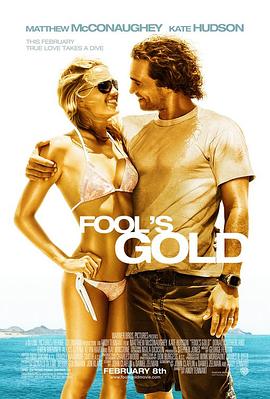
本杰明·芬恩·费尼根(马修·麦康纳 Matthew McConaughey 饰)是一名疯狂的淘金猎人,淘金的热情使他无法如常人一般找份像样的工作养家糊口,他的妻子苔丝(凯特·哈德森 Kate Hudson 饰)也向他提出离婚,并在千万富翁奈杰尔(唐纳德·萨瑟兰 Donald Sutherland 饰)的巨轮上找了份不错的工作。一次意外的沉船事故中,芬恩无意中发现一枚碟子碎片,并推断这来源于一批失落了300多年的皇家财产,而这批财产同时也是他与妻子苦寻了8年的共同理想,芬恩决定这次决不放弃,然而周围却没有一个人相信他的推测。芬恩唯有想出了一个无厘头却不失精妙的方法登上了奈杰尔的船,并能言善辩地说服了杰奈尔与其女儿,甚至是苔丝也加入寻宝计划。然而与此同时,淘金团伙Bigg Bunny和芬恩的前导师已经盯上了他们,一场螳螂捕蝉黄雀在后的淘金好戏,即将上演……
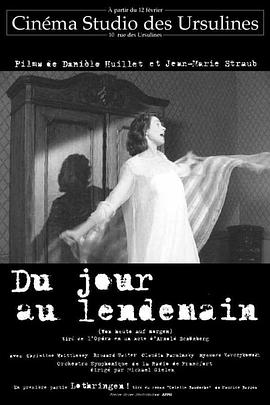
Based on an unknown Schönberg opera from 1929, From Today Until Tomorrow explores one night in a not-quite loveless marriage. A husband and wife return from a party where she has flirted with another man, while he has cast an appraising eye toward an attractive, fashionably dressed acquaintance of his wife’s. Though each dreams, briefly, of leaving the marriage for the excitement and mystery of a new lover, in the end they decide stability and comfort are more important than the fleeting thrill of new romance. Directors Jean-Marie Straub and Danièle Huillet, who previously collaborated on two other films about music (The Chronicle of Anna Magdalena Bach, 1968, and Moses and Aaron, 1975), rely on long fixed shots in austere black-and-white so that the focus remains on the musical brilliance of Schönberg’s atonal score, performed here by 70 musicians. That Schönberg would choose such a relatively lighthearted message for his newly discovered musical language remains a mystery, especially since the conclusion reached by the husband and wife—to stick with the tried and true—seems directly at odds with Schönberg’s own philosophy of composing. It is just this juxtaposition, however, coupled with Straub and Huillet’s faithful presentation, that makes the opera a compelling addition to the Schönberg canon—and the film such a challenging and intriguing experience.